Will a GVM Upgrade Improve Towing? (4 Key Benefits)
A GVM upgrade improves towing by increasing your vehicle's legal payload capacity, allowing it to better support the heavy tow ball weight of a trailer or caravan. This reinforcement enhances steering control, braking efficiency, and overall vehicle stability, ensuring a safer and more balanced driving experience under heavy loads.
How does a GVM upgrade impact your towing experience?
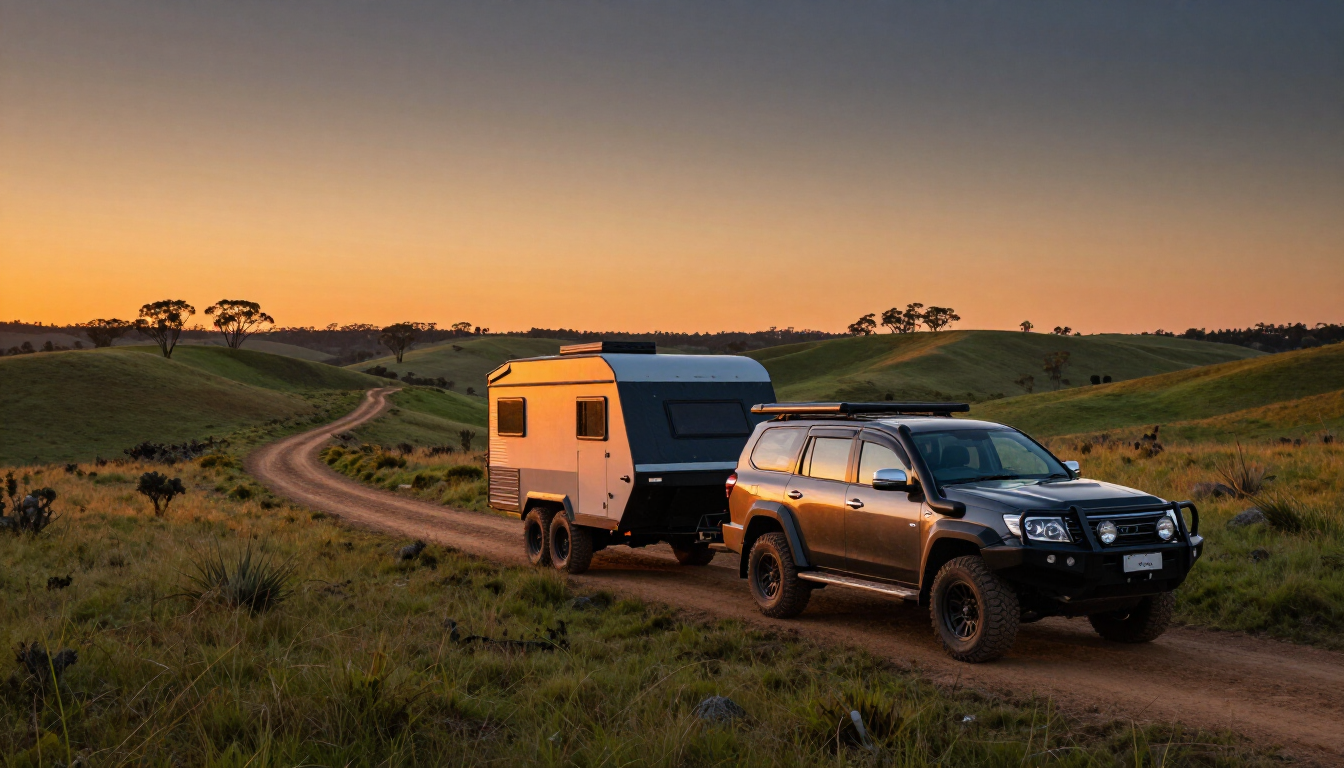
If you have ever hitched up a heavy caravan or a trailer full of tools and felt the back of your 4x4 sag while the front points toward the clouds, you have experienced the limit of your factory suspension. While many modern dual-cab utes and wagons boast impressive towing figures, their Gross Vehicle Mass (GVM) is often the hidden bottleneck. A GVM upgrade isn't just about a number on a compliance plate; it is a fundamental transformation of how your vehicle handles the physics of a heavy load.
When you tow, a significant portion of the trailer’s weight (typically 10%) sits directly on your tow ball. This weight is counted as part of your vehicle's payload. If you have already added a bullbar, winches, extra batteries, and a fridge, you might find that adding that tow ball weight puts you over the legal GVM limit before you even put a passenger in the seat. By installing a GVM upgrade kit from specialists like those at Toowoomba Steering & Suspension , you effectively raise that legal ceiling, allowing your suspension to work within its intended range rather than being constantly bottomed out.

Essential Suspension Upgrades for Heavy Loads
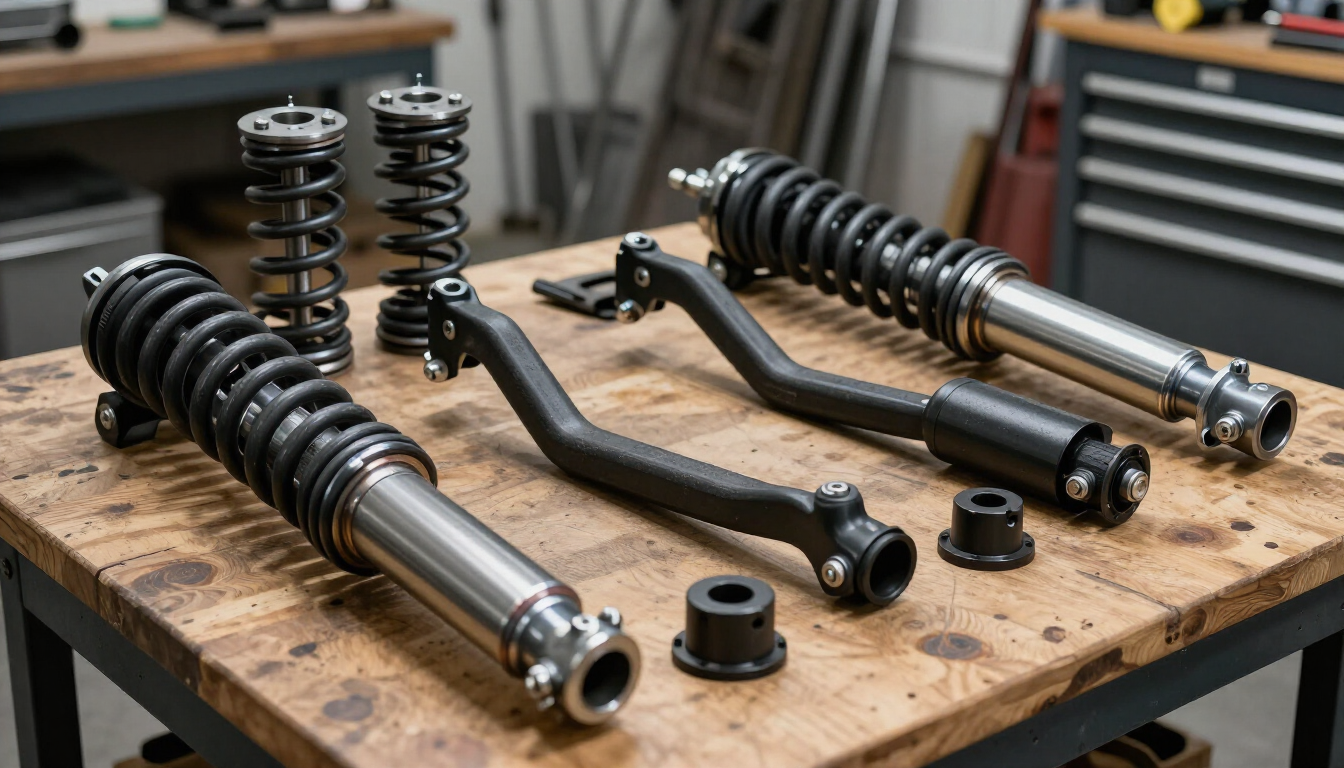
To understand why a GVM upgrade is so effective for towing, we need to look at what actually changes under the vehicle. Factory suspension is designed for comfort during the school run or a commute, which means the springs are often too soft for heavy-duty work. A GVM upgrade replaces these components with high-quality, heavy-duty alternatives designed to maintain ride height and control under pressure. Here is what typically changes:
- Upgraded Coil or Leaf Springs: These are engineered with a higher spring rate to support the additional weight without sagging.
- Heavy-Duty Shock Absorbers: Larger bores and better valving help dissipate heat and control the bounce associated with heavy trailers.
- Reinforced Components: Depending on the kit, shackles, pins, or U-bolts may be replaced with stronger versions.
- Engineering Compliance: A critical part of the process that ensures the vehicle remains street-legal and insured at the new weight rating.
By addressing these areas, the vehicle remains level. A level vehicle means your headlights point at the road, your front tyres maintain a solid contact patch for steering, and your braking system can operate effectively without the rear end trying to overtake the front. This is why many tradies and grey nomads in the Toowoomba region seek out professional suspension advice before heading off on long trips or to the job site.
Is a GVM upgrade the same as increasing towing capacity?
It is vital to clear up a common misconception: a GVM upgrade does not usually increase your Gross Combination Mass (GCM) or your maximum braked towing capacity. If your car is rated to tow 3,500kg, a GVM upgrade won't legally allow you to tow 4,000kg. Instead, it allows you to carry more weight inside or on the vehicle while still towing your maximum rated load.
Think of it as balancing a scale. The more weight you put in the back of the ute, the less you have left over for the tow ball weight of the trailer. A GVM upgrade gives you a bigger scale to work with on the vehicle side. This is particularly important for 4x4 enthusiasts who love their accessories. A steel bullbar and a roof rack can quickly eat up 150kg of payload. Once you add a 300kg tow ball weight, you are suddenly very close to the limit.
Top Brands for Reliable GVM Solutions
At Toowoomba Steering & Suspension, we believe in using parts that are proven in the harsh Australian outback. We supply and install several industry-leading brands that offer certified GVM upgrade kits. Choosing the right brand depends on your specific vehicle and how you plan to use it.
- Dobinsons : Known for their extensive range of spring rates and color-coded components, Dobinsons offers robust solutions for almost every popular 4x4 model.
- EFS : Their suspension systems are designed to withstand the rigours of off-roading while providing excellent load-carrying capabilities.
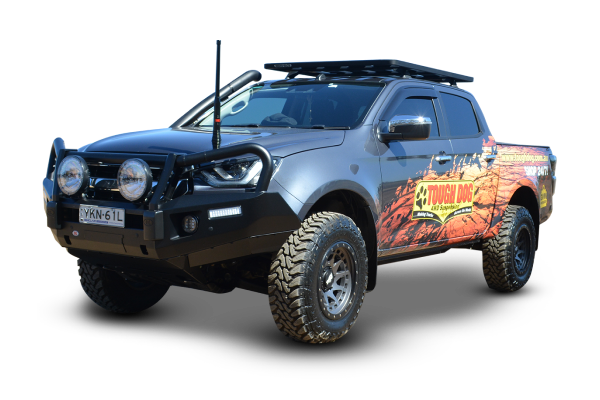
- Tough Dog : A household name in the 4x4 community, Tough Dog provides adjustable shock options that are perfect for switching between unladen daily driving and heavy towing.
- Formula 4x4 : Offering great value and performance, these kits are a popular choice for those looking for a reliable lift and load upgrade.
- Bilstein : For those who prioritize ride quality and precision handling alongside their weight upgrades.
Each of these brands undergoes rigorous testing to meet Australian Design Rules (ADR). When we install these systems, we ensure that the geometry of your vehicle—including the wheel alignment —is perfectly adjusted to account for the new height and weight characteristics. This prevents premature tyre wear and ensures the vehicle tracks straight, even when a massive caravan is trying to pull it around from behind.
Why is legal compliance important for 4x4 owners?
Operating a vehicle over its legal GVM is a serious risk that goes beyond just mechanical wear and tear. In Australia, if you are involved in an accident and your vehicle is found to be overweight, your insurance company may have grounds to deny your claim. Furthermore, you could face significant fines from transport authorities. A GVM upgrade provides you with a new compliance plate, making the higher weight limit official and legal.
For grey nomads planning a lap of Australia, this peace of mind is priceless. You don't want to be halfway across the Nullarbor only to realize your suspension is failing and your insurance is void. Similarly, for tradies carrying heavy tools and equipment, a GVM upgrade ensures the vehicle remains a safe workplace. It isn't just about avoiding a fine; it’s about making sure that when you hit the brakes in an emergency, the vehicle stops in time.
Recent Posts