GVM Upgrade vs Suspension: Which is Cheaper?
A standard suspension upgrade is cheaper upfront, usually costing $2,000–$4,000, while a GVM upgrade ranges from $3,500–$6,000+. While a lift kit improves handling and clearance, only a certified GVM upgrade legally increases your vehicle's payload capacity, protecting you from heavy fines and insurance issues when carrying heavy loads.
Is it cheaper to just upgrade suspension instead of a GVM upgrade?
If you are looking strictly at the initial invoice from your local mechanic, a standard suspension upgrade is undeniably cheaper. Most high-quality suspension lift kits for popular 4x4 models like the Toyota HiLux, Ford Ranger, or Isuzu D-MAX will set you back significantly less than a full GVM (Gross Vehicle Mass) upgrade. The primary reason for this cost difference lies in the certification process and the specific components required for a GVM increase.
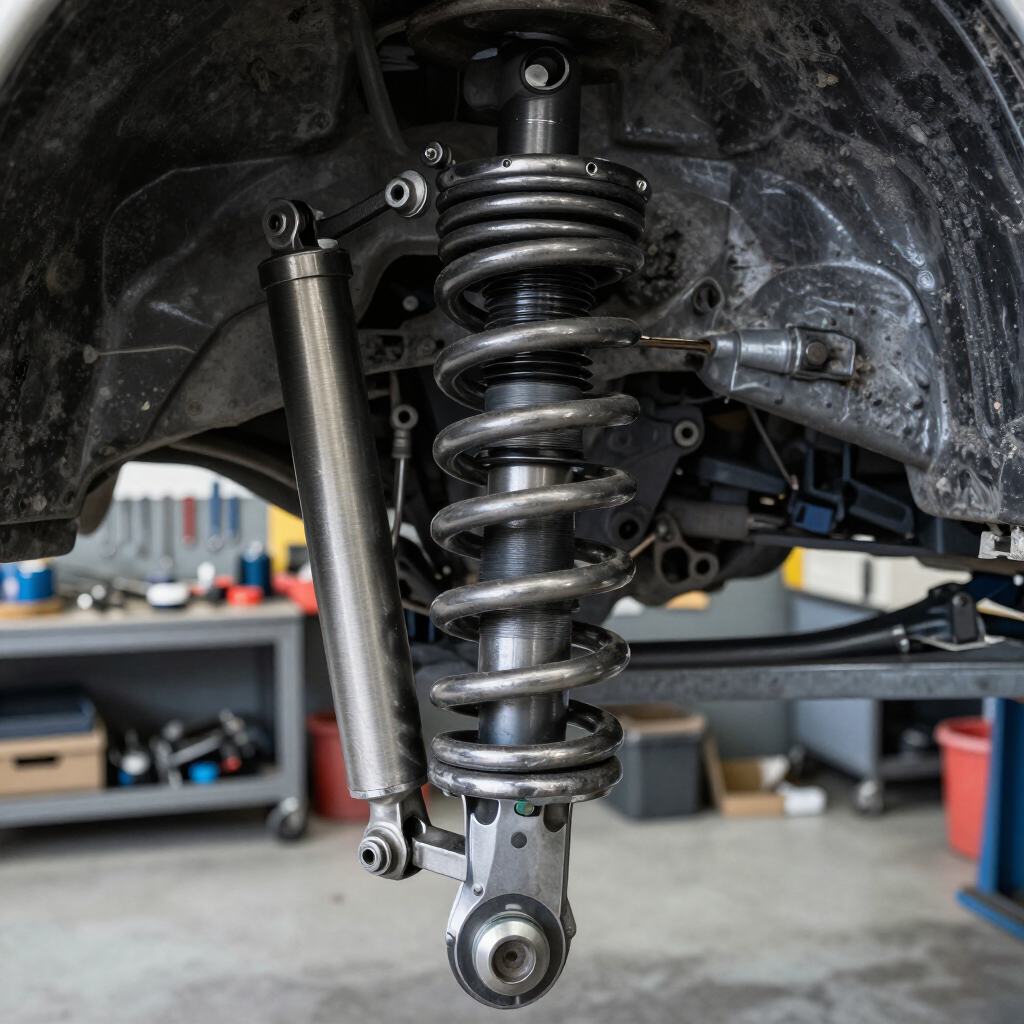
A standard suspension lift is designed to provide better ground clearance, improved off-road articulation, and a more comfortable ride. It typically includes upgraded shock absorbers and coil or leaf springs. However, while these parts might physically support more weight, they do not change the legal limit of what your vehicle is allowed to carry. This is a critical distinction for tradies and weekend adventurers in Toowoomba who often find themselves pushing their vehicle to its limits.
When you opt for a GVM upgrade, you are paying for more than just hardware. You are paying for a federally or state-approved engineering solution. This includes rigorous testing to ensure the braking system, axles, and chassis can handle the extra load safely. While the hardware itself might look similar to a standard kit, the engineering compliance plate that comes with a GVM upgrade is what provides the legal protection and safety assurance that a basic lift kit simply cannot offer. For many, the slightly higher price is an investment in peace of mind.
The Real Cost of Overloading Your 4x4
Many vehicle owners believe they can save money by installing heavy-duty springs and calling it a day. While the car might sit level and feel more stable on the road, the underlying legal and mechanical risks remain. If you are operating a vehicle that exceeds its original manufacturer GVM, you are technically driving an unroadworthy vehicle. In the event of an accident, even if it wasn't your fault, insurance companies may deny your claim based on the fact that the vehicle was overloaded and not legally certified to carry that weight.
Beyond insurance risks, the mechanical strain on non-certified components can lead to expensive failures. Overloading a standard suspension setup—even an 'upgraded' one—puts excessive stress on:
- Wheel bearings and axles
- Braking efficiency and stopping distances
- Chassis mounts and structural integrity
- Driveline angles and universal joints
- Tyre wear and heat dissipation
What is the difference between suspension and GVM upgrades?
The core difference is legality and engineering. A standard suspension upgrade focuses on performance—how the car handles bumps, how much it leans in corners, and how high it sits off the ground. A GVM upgrade, on the other hand, is specifically designed to increase the maximum legal weight the vehicle can weigh when fully loaded (including passengers, fuel, bullbars, and cargo).
At Toowoomba Steering and Suspension , we see many customers who get confused by these terms. Think of a suspension upgrade as a 'comfort and clearance' improvement, while a GVM upgrade is a 'capacity and compliance' improvement. To achieve a GVM increase, the kit must be tested and approved by a transport authority. This involves testing the vehicle’s braking performance at the new, higher weight to ensure it still meets Australian Design Rules (ADR).
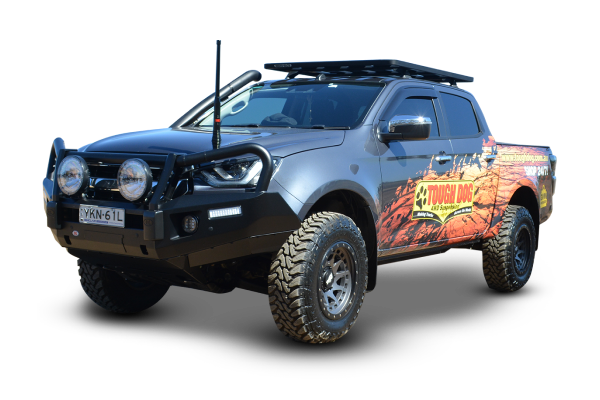
We offer several options from industry leaders like Dobinsons, EFS, Formula 4X4, Bilstein and Tough Dog all of which provide kits that serve both purposes. These kits are often the best of both worlds, providing the lift you want for off-roading while giving you the legal payload you need for work or long-range touring. Without the modification plate (mod plate) and the registered paperwork, your high-performance springs are just springs, not a legal weight increase.
Key Benefits of Choosing a Certified GVM Kit
Choosing a certified GVM kit over a generic lift kit provides several long-term advantages that far outweigh the initial cost savings of a cheaper alternative. For those living in the Darling Downs region, where road conditions can vary from smooth highways to corrugated dirt tracks, having a vehicle that is engineered for its load is essential.
The benefits of a certified system include:
- Legal compliance with Australian transport regulations
- Maintained insurance coverage in heavy-load scenarios
- Improved resale value with a recognized mod plate
- Enhanced safety for your family or work crew
- Optimised braking performance under heavy loads
How much does a GVM upgrade cost in Toowoomba?
In Toowoomba, the cost of a GVM upgrade can vary depending on whether the vehicle is being registered for the first time (Pre-registration) or is already on the road (Post-registration). Pre-registration upgrades are often slightly simpler from a paperwork perspective, while post-registration requires an inspection by a certified engineer to sign off on the mod plate.
You can typically expect to spend between $3,500 and $6,000 for a comprehensive GVM solution. This price usually includes:
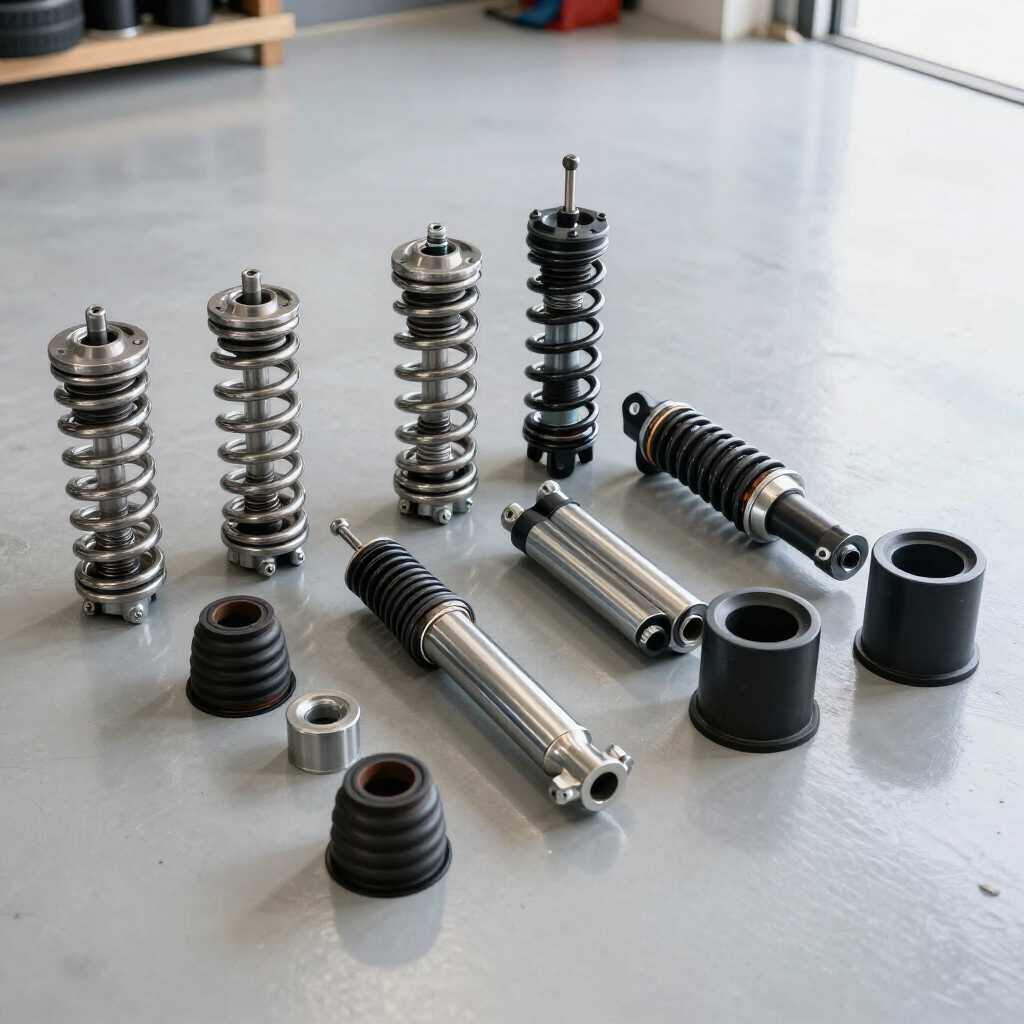
- Heavy-duty front coil springs and shocks
- Upgraded rear leaf or coil springs
- High-performance shock absorbers (like Tough Dog or Formula 4X4 )
- All necessary bushes, shackles, and bolts
- Engineering certification and the physical mod plate
While this is more expensive than a basic $1,800 lift kit, the value is found in the legality. If you are a business owner, this cost is often tax-deductible as a necessary vehicle modification for safety and operational requirements. We recommend visiting our shop for a professional assessment to determine which brand, such as Bilstein , best fits your specific driving style and load requirements.
When should you choose a standard lift kit?
A standard suspension upgrade is the right choice if you rarely carry heavy loads and your primary goal is aesthetics or off-road clearance. If your ute is mostly a 'shopping trolley' during the week and only carries a surfboard or a couple of swags on the weekend, a GVM upgrade is likely overkill. You can save money and enjoy a softer ride by sticking to a standard high-quality kit.
However, if you add a bullbar, a winch, a canopy, a second battery, and then hook up a caravan, you have almost certainly exceeded your factory GVM. In these cases, a standard lift kit will 'sag' under the weight, leading to poor handling and increased wear. You should always weigh your vehicle at a public weighbridge before deciding. If you are within 100kg of your limit, it is time to look at OUR SERVICES for a more robust solution.
Safety and Insurance Implications for Tradies
For tradies in Toowoomba and across the Darling Downs, your vehicle is your livelihood. Carrying tools, materials, and equipment daily means your 4x4 is likely operating at or near its maximum capacity every single day. If you choose the 'cheaper' suspension-only route, you are taking a massive financial risk.
Workplace Health and Safety (WHS) regulations are becoming increasingly strict. If an employee is involved in an accident while driving a company vehicle that is found to be overloaded and uncertified, the business owner could face significant legal liabilities. By investing in a GVM upgrade, you are demonstrating a commitment to safety and compliance. It is a proactive step that protects both your employees and your business assets.
When you visit us at Toowoomba Steering and Suspension , we don't just sell you parts; we provide a safety consultation. We look at your specific setup—whether you're a plumber with a heavy canopy or a builder towing a tandem trailer—to ensure the GVM upgrade we provide is fit for purpose. This level of detail is why our team has been trusted since 1975 to keep vehicles safe on Queensland roads.
Summary of GVM vs Suspension Costs
Deciding between a suspension upgrade and a GVM upgrade depends entirely on your vehicle's intended use and weight requirements. While a suspension lift is the cheaper path for aesthetics and minor off-road improvements, a GVM upgrade is the only legal solution for increasing payload. Choosing the cheaper option for a heavy vehicle can lead to denied insurance claims, legal fines, and mechanical failure. For long-term safety and compliance, the investment in a certified GVM kit is the superior choice for most 4x4 enthusiasts and professional tradies.
Key Takeaways:
- Suspension lifts are cheaper ($2k-$4k) but don't increase legal weight limits.
- GVM upgrades ($3.5k-$6k+) include engineering certification for legal payload increases.
- Overloading a non-certified vehicle voids insurance and risks structural damage.
- Tradies should prioritise GVM upgrades for WHS compliance and safety.
- Always consult professionals to match the right brand to your specific load needs.
Ready to ensure your vehicle is safe and legal? CONTACT US today or visit our shop on Neil Street to discuss the best GVM or suspension options for your 4x4.
Recent Posts